
Written By: Tia Southwell
Edited By: Mai Ly Campbell Oates
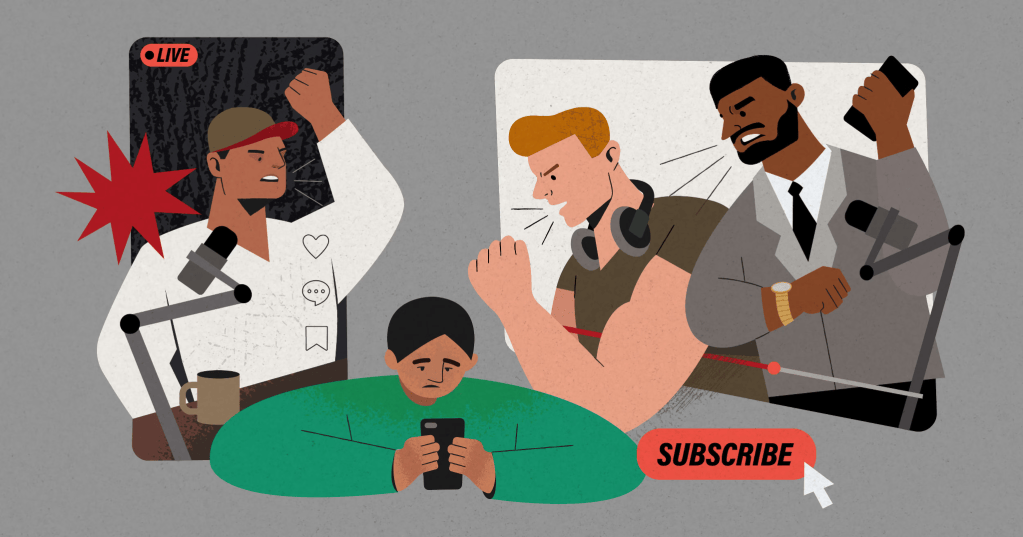
Photo courtesy of Poompat Watanasirikul, image liscensed by UN Women
A high school teacher in Saint-Hyacinthe, Quebec, unknowingly picked up a note being passed around the class titled ‘A Petition to Legalize Rape’. As reported by La Presse, a handful of students had already signed the petition. In a space where students are meant to be learning, developing, and forming their understanding of the world, a group of teenage boys turned an act of extreme violence against women into a topic of humour. Although the Sûreté du Québec dismissed it as ‘a bad joke in poor taste’, the document raises troubling questions about how the youth of today are growing up in a world where the internet and social media foster misogynistic ideas. The most disturbing aspect is the age of the students, who are already internalizing these beliefs during their formative years. Whether it was intended to be a joke or not, the petition raises serious questions about how young people today are growing up in a world where the internet introduces and reinforces misogynistic ideas. Young and impressionable, these students are at an age where their beliefs are still malleable, making them particularly susceptible to the messages they see online. This may be a single incident but nonetheless invites a deeper examination of the social and cultural environments in which violence and prejudice against women form.
Misogyny In Online Communities: The Manosphere
The Manosphere refers to an online network of predominantly male communities who claim to work under the guise of empowering men in different aspects of their lives, offering advice on financial success, relationships and dating, and self-improvement. More often than not, what may come across as inspiring and insightful for men actually promotes harmful and sexist attitudes. An example of this is the Fresh&Fit podcast, which claims to teach men about “females, fitness, and finances,” but instead promotes ideas about why men are superior to women. In one instance, they stated, “Why do women deserve less? Give them less so they respect you and give you more.”
These communities are comprised of misogynists, male supremacists, men’s rights influencers, and self-described involuntary celibates, also known as “incels.” The Manosphere speaks to men who feel alienated and often points the blame at women or modern-day “wokeness.” Within these spaces, gender equality and progressive beliefs are frequently viewed as a threat to traditional masculinity, sustaining the idea that women’s increasing empowerment always comes at the expense of men’s power.
The primary appeal of the Manosphere lies in its explanations for the insecurities and frustrations experienced by men in the modern world. The Manosphere claims promises of self-improvement, an ideal masculinity, and confidence. As the Canadian Museum for Human Rights explains, the Manosphere attracts men who feel lonely and isolated, particularly those who are struggling with new progressive ideals. The followers of the Manosphere often make it their goal to maintain traditional ideas of gender roles. The Manosphere teaches them to believe that all these issues stem from a single source: women.
The Green Network recently found that 80% of boys aged 16-17 had consumed content from the Manosphere, illustrating how wide their influence has spread among younger audiences. During such a crucial stage of development, exposure to this type of content negatively shapes their attitudes towards gender and masculinity significantly. Adolescence is a period when young people are particularly impressionable, and where they look to feel acceptance and validation from their peers. For young boys who may already be feeling insecure socially, the Manosphere offers help and reassurance. In a school setting, these feelings are all heightened, as boys are faced with constant pressure to fit in and gain social acceptance. The sheer accessibility of social media means that misogynistic rhetoric is not confined to small extremist communities but instead is able to circulate through seemingly lighthearted content such as humour, short videos, and self-improvement advice. Even if young boys are not actively seeking this content, its large internet presence allows them to become accustomed to similar attitudes that work to degrade women and enforce male superiority. When these kinds of ideals are constantly presented to young boys at an age where their characters and morals are being formed, incidents such as the Saint-Hyacinthe petition shouldn’t come as a surprise.
The Manosphere as a Culture
As troubling as the ideologies being spread within the Manosphere are, what is more terrifying is the manifestation of these in everyday life. From something as small as a joke to something as big as an act of physical violence against women, misogynistic ideals can take form in many ways. In a survey, it was reported that 50 percent of younger men said they trusted one or more ‘men’s rights’ or anti-feminist voices from the Manosphere. This number is only growing as more people discover the online community.
At its most extreme, the Manosphere portrays women in opposition to men, reducing them to objects that exist only for male desire. In particular, the incel ideology states that men are entitled to a woman’s body in any way they please and that any rejection from women is seen as an injustice to their masculinity. These attitudes justify sexual aggression towards women, undermining the notion of consent in favour of male entitlement.
While sexual violence is often physical, it can also appear through verbal harassment and other forms of degrading behaviour. Misogynistic humour and dismissing degrading behaviour as a “joke” contribute to a culture in which violence towards women becomes normalized. This links back to the petition– regardless of whether the students genuinely believed rape should be legalized, their participation in turning sexual violence into a joke reflects a troubling lack of understanding.
Equally concerning is the response from the Sûreté du Québec, which had responsibility for the situation, and simply dismissed the incident. While the students may not have intended for their petition to be taken seriously, what message does its dismissal send? Responses like these risk reinforcing behaviours such as this, not just to the students involved but to the public. When situations like this aren’t properly addressed, it risks reinforcing misogynistic attitudes and enabling misogynistic actions. What may begin as a seemingly harmless joke could potentially contribute to a wider culture of violence towards women.
The Violent Extremes
More extreme impacts of the Manosphere exist, and what starts as a joke amongst teenagers can grow into deep-rooted beliefs manifesting in harassment, threats, and acts of violence against women.
In June 2026, a 25-year-old man opened fire in the Côte-des-Neige neighbourhood in Montreal, killing a police officer and a civilian before taking his own life. Police reported finding a manifesto belonging to the shooter, containing strong associations with the incel movement. In his writings, he identified himself as a member of the incel community and reportedly expressed a deep resentment towards women and feminism.
The event serves as another disturbing example of how misogynistic cultures online can extend beyond the internet and become intertwined with the real world. Although it’s stated that the shooter’s exact motivations remain unclear, the manifesto shares the same narrative of male victimhood that is promoted within extremist manosphere communities.
Although this is a far more extreme result of the manosphere and its followers, both highlight the dangers of young boys having these influences online, and encourage us to question the normalization of misogynistic attitudes within younger audiences.
What does this mean?
The Saint-Hyacinthe petition should act as a sobering wake-up call about the digital environments that young people, particularly young men, are exposed to today. With social media being such a big part of shaping their understanding of the world, it’s crucial to inspect who we are trusting to teach them and what messages they are taking away. Rather than simply condemning or even ignoring these teenagers’ actions, one must closely inspect where these harmful beliefs originate. This means fostering open conversations surrounding masculinity and gender equality, while also encouraging young people to think more critically about the content they encounter online. We all have the responsibility to challenge and prevent harmful digital narratives before young people internalize them. The real danger doesn’t lie in what was written on that piece of paper but rather in what the Manosphere and its online influencers have taught these young boys to believe about women and their own masculinity.

