
Written by: Abigail Francis
Edited by: Orli Adamski
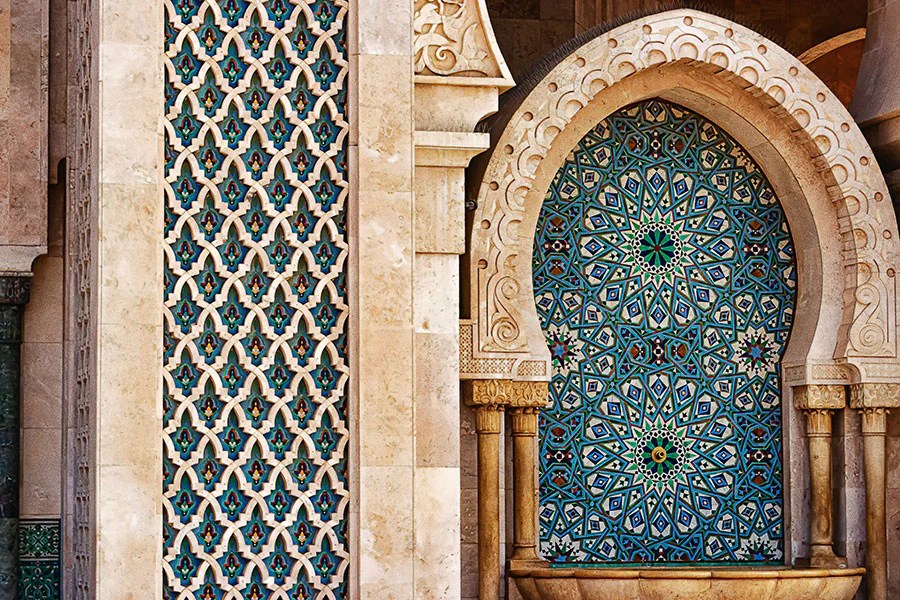
Eurocentric has taken over much of the spatial design in Western countries. As a result, “good” design has had an exclusive tendency of neglecting non-European art. Eurocentricity prioritizes Europe “as…the bearer of universal values and reason, and the pinnacle and therefore the model of progress and development”. Due to Eurocentrism, the standard of the human experience that can exclude and devalue non-Western approaches. These concepts can apply to art and design, too. Take for example, the fault line in the historical records of painting in East Asia. After colonization began in the region, there was a significant lack of attention and scholarship to East Asian painting from the 1800s onwards comparably to Western Renaissance and Impressionism that was sweeping Europe at the time. While design concepts are easily labelled as universal, this gap reflects a Western desire to exclude non-Western art from viewership and explicitly preserve Western art as the standard.
However, propelled by a wave of recognizing colonial impacts, a Eurocentric-based legacy has slowly started to change as post-colonial discourse seeps into academia. By integrating non-Western and Indigenous aesthetic and cultural traditions into design practice and appreciation, audiences can re-learn relational, community-centered approaches to creation.
The Metal Mastery of Taiwanese Window Grilles
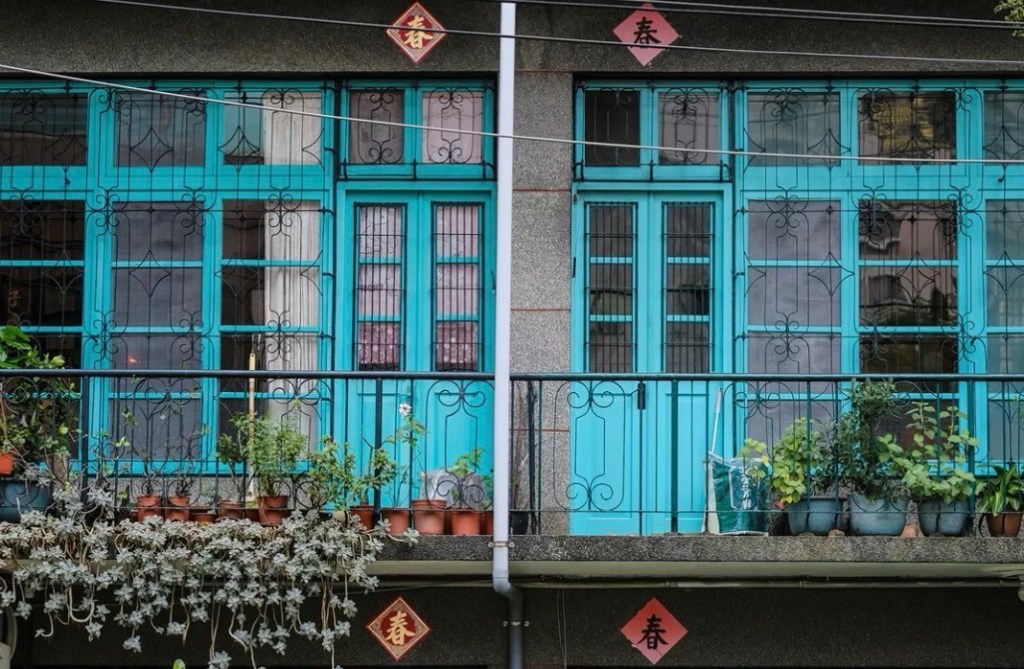
Taiwanese iron window grilles are a cultural icon of the 1950s to 1970s that adorned windows, balconies and patios. While they were predominantly used for the functional purpose of providing extra security to people’s homes to combat burglaries, they also served an aesthetic purpose. The use of iron in building exteriors in Taiwan dates back to an era of Japanese rule. Cast iron served a decorative role in public buildings and high-value private homes. After World War II ended in 1945 and the Japanese left Taiwan, Taiwanese metalworkers–who had developed their artistic expertise–continued their craft in the region. Decorative lattices became increasingly common in Taiwan as metalworkers operated in a competitive environment.
The design of the lattice may reveal the profession of the homeowners. For example, an eyeglass maker’s industrial association commissioned his lattice created in the shape of glasses, whereas the lattice of a music teacher incorporated musical instruments. The name or logo of the owner’s business could also appear in the ironwork. In this way, lattices become a part of the family collective memory and continue to live on with future generations.
It was also common practice that metalworkers exercised an abundance of creativity into their art. “Without this group of artisans, we wouldn’t have those metal lattices […] they are full of expression,” says Chen Cheng-che, an associate professor in the Department of Architecture and Landscape Design at Nanhua University. This statement emphasizes the central role these artisans play in shaping the visual and cultural character of the built environment. Their metalwork carries a sense of individuality and creative freedom, embedding cultural expression directly into everyday architectural forms. The most common motifs of lattice work in Taiwan are nature scenes. Mountains, flowers, the sun and moon, and animals frequently adorn windows, many of which represent good faith or fortune in Taiwanese culture. Taiwanese window grilles are part of a heritage of social movements and democratization of the time and the part of the identity that was built after colonial rule.
The Iconic, Chaotic Bodega
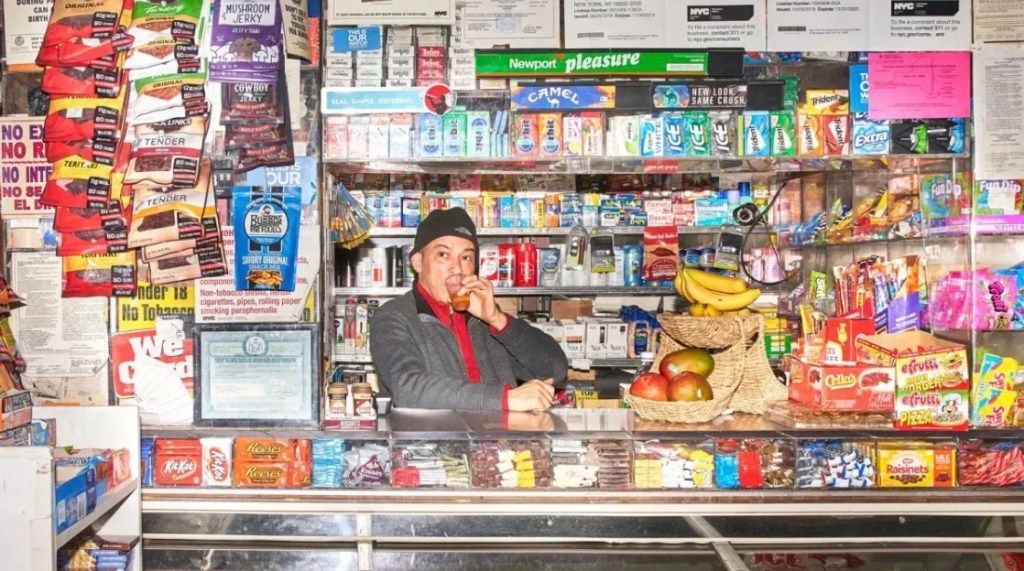
New York City’s most iconic grocery store is undoubtedly the bodega. These small, family-owned convenience stores can be found on almost every street corner in large urban areas in the US and usually are serving hot, prepared meals for late night customers. The community-based stores reflect the cultural influence of the surrounding neighborhoods, serving as a gathering palace for individuals of shared backgrounds to find community and touches of nostalgia. Loud colors and even louder designs on the exterior and interior of bodegas are a part of what gives them their iconic natures. Bodegas often resemble each other and seem to follow singular design strategies, balancing both order and chaos.
The word “bodega” comes from a Spanish word meaning “storeroom” or “wine cellar” and has been especially connected to the large Latinx population in New York City since the stores first opened in the city in the early 1900s. Bodegas grew alongside the mass influx of immigration to the US, becoming a cornerstone of these expanding communities. Members of the Puerto Rican community opened the first bodegas in New York City, providing familiar flavors of the Caribbean.
However, as large corporation stores grew and increasingly integrated technology into their operations, bodegas have begun to struggle. Yet bodegas offer something these chains do not: a form of urban authenticity rooted in direct, everyday service to their communities. Research reveals numerous accounts of how these small brick-and-mortar shops have become vital social anchors for many communities. Beyond their role as places of transaction, bodegas function as informal community hubs where people build and maintain relationships. Owners know regular customers by name, the conversations and gossip unfold across the counter, and everyday routines create a sense of community and belonging.
Originating from non-European communities in New York City, bodegas reflect immigrant entrepreneurship and cultural adaptation, shaping neighbourhood life through accessible goods, informal services, and everyday social exchange.
The DIY Project of Filipino Jeepneys
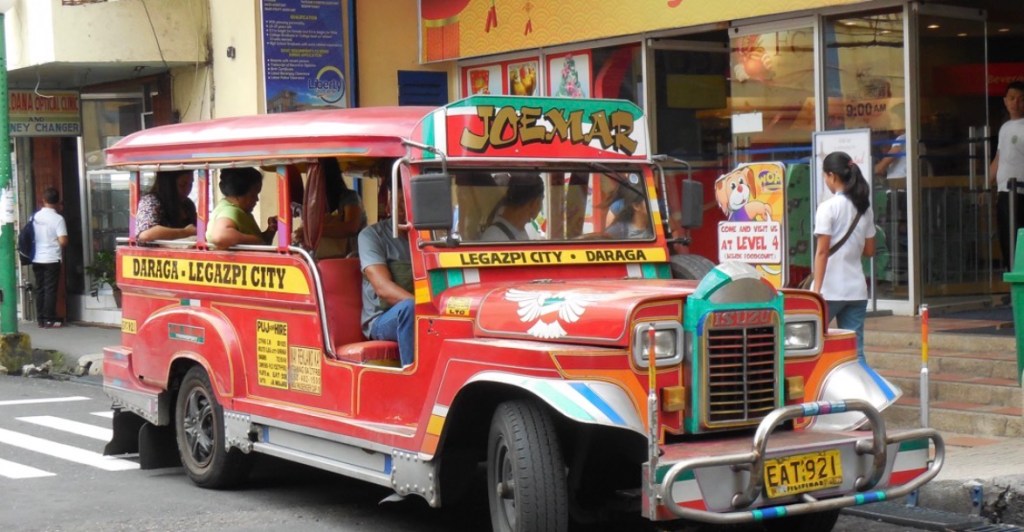
Hailing from the adaptation of surplus military jeeps post-World War II when Philippine transportation was destroyed, “Jeepneys” became the primary form of public transportation. With predetermined routes, Jeepneys are one of the cheapest ways to get around a city in the Philippines today. Community members took the discarded vehicles and transformed them for public utility, lengthening them, adding roofs and decorating them heavily with various iconography and artistic elements to set each vehicle apart. Each Jeepney is its own work of art, reflecting both personality and creativity. Jeepeney’s feature intricate paintings, vibrant colors, and embellishments that adorn both their interior and exterior. Iconography can extend from religious imagery and landscapes to NBA players. These decisions are truly up to the owner.
These vehicles embody a visual literature of Filipino resilience and adaptability to use surplus to meet post-war needs. Because of this, Jeepneys provide unique insight into Filipino identity. This is especially evident in how Jeepneys foster a sense of community. Often filled to capacity, their close quarters create opportunity for a specific type of casual interaction: conversations spark easily, commuters exchange stories, and small moments of connection unfold between strangers. It is not unusual to witness impromptu singing or simple acts of kindness on the vehicles, turning an ordinary commute into something more communal and connection-based.
Jeepneys reject the Eurocentric emphasis on minimalism and standardization. Western design traditions tend to prioritize clean lines, uniformity, and the idea that “form follows function.” Jeepneys do the opposite: embracing a decentralization of design, they have excess, ornamentation, and visual density. Decoration is essential. This reflects a different design logic where expression and identity are integral to function, not separate from it.
Decentering Europe in the Spaces We Live In
Across Taiwanese window grilles, New York City bodegas, and Filipino jeepneys, design is explored beyond a universal standard dictated by Europe and emerges as a lived, culturally embedded practice shaped by history, community, and necessity. Each example challenges the Eurocentric assumption that good design must be minimal and standardized. Instead, these spaces and objects demonstrate that design can be expressive, and with relational roots to identity, whether this is through the personalization of ironwork, the social intimacy of neighborhood stores, or the vibrant improvisation of public transport.
Taken together, these cases reveal that Eurocentrism overlooks alternative aesthetics and by doing so, actively narrows our understanding of what design is and what it can do. When non-Western and community driven forms are dismissed as informal, the values they embody – collectivity, storytelling, adaptability – are also marginalized. Recognizing these traditions is important to fundamentally expanding the field of design itself. Centering diverse global perspectives allows for a more accurate and expansive understanding of how people shape their environments.

