
The theme for Sophia’s recommendation for the month is womanhood! As Sophia explains these works were chosen because, “The women presented in this newsletter have expertly reflected the experience of womanhood.”
BOOKS
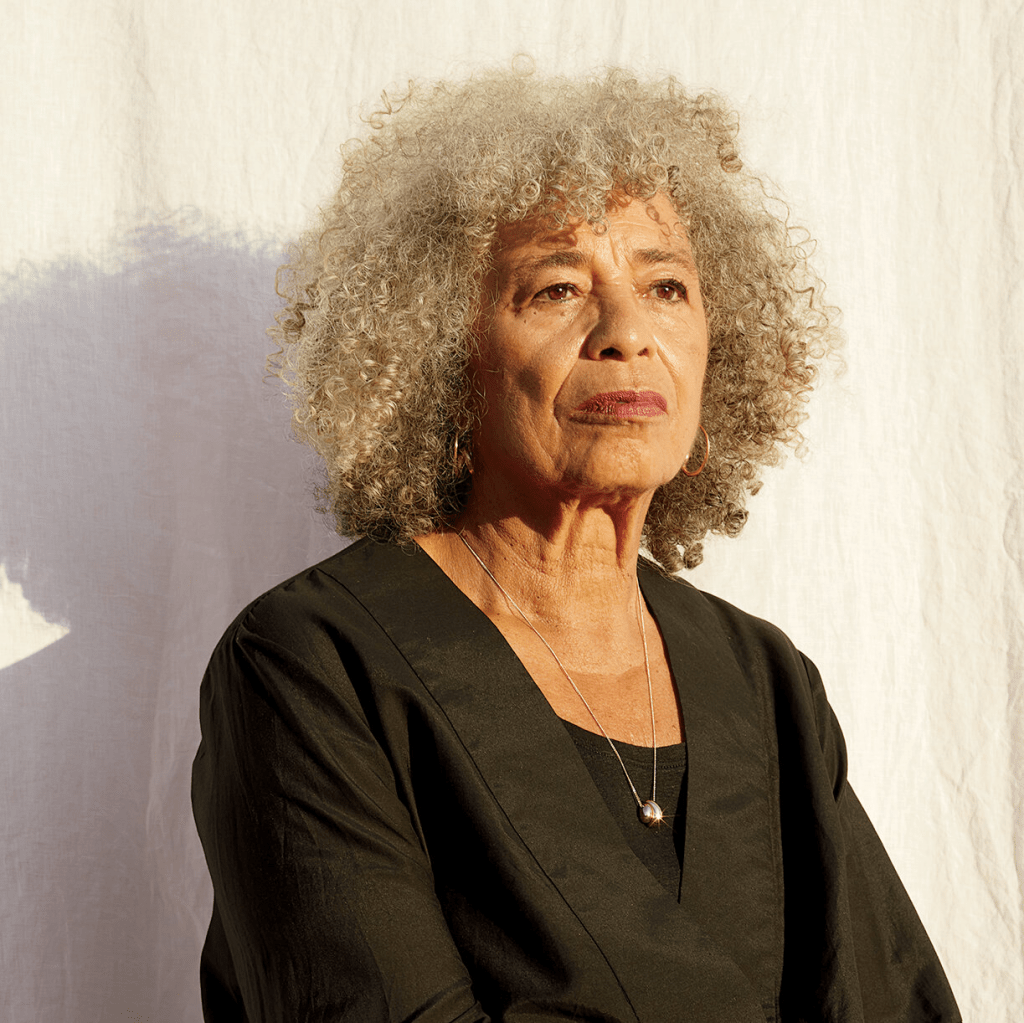
“Women, Race, and Class” by Angela Davis
This book is a masterclass in intersectionality and an introduction to Davis as a political activist. She outlines the whiteness and elitism that envelopes feminist discourse in the 1960s and 1970s. It’s historical, statistical, and deeply personal, commenting on a plethora of women’s issues including sterilization, slavery, and housework. This novel was my first introduction to feminist literature that led me to understand that feminism does not stop at the right to vote. Still a towering revolutionary, Davis forces readers to consider the experiences of non-white non-wealthy people who continue to face daily struggles from systemic inequity.
An outstanding quote; “Aided by their white sister allies, Black women played an indispensable role in creating this new fortress. The history of women’s struggle for education in the United States reached a true peak when Black and white women together led the post-Civil War battle against illiteracy in the South. The unity and solidarity preserved and confirmed one of our history’s most fruitful promises.” (pp. 109)

“Last Days at Hot Slit” by Andrea Dworkin
While Dworkin’s radical feminism may not be for everyone, Last Days at Hot Slit completely changed my understanding of myself and my womanhood. She takes feminist discourse to its extreme by painting a visceral picture of her experiences and of women broadly. She turns away from the belief that women live equally in the modern world to remind her readers that we are subject to violence all the time. She calls for radical action as a response to the violence women have been subject to for centuries. This is not a comfortable read, but it’s important for anyone interested in feminist studies.
An outstanding quote, “The Revolution, as we live it and as we imagine it, means destroying the Immovable Structure to create a world in which we can use our holy human energy to sustain our holy huam lives; to create a world without enforcers, doorkeepers, guards, and Arbitrary Law; to create a world — a community on this planet — where instead of lying to survive, we can tell the truth and flourish.” (pp. 75)
MUSIC
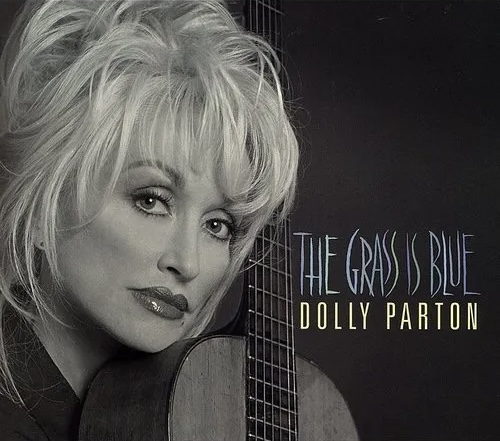
“The Grass is Blue by Dolly Parton”
One of my favourite albums, The Grass is Blue by Dolly Parton presents heartbreak and her version of womanhood. Songs like “A Few Old Memories” envelope the listener in grief through powerful lyrics to match her iconic vocals. Meanwhile, “Silver Dagger”, reminds us to be cautious of relationships through the advice of a mother. Parton is a powerhouse in the music industry and rightfully so, this album resonates a lot with me both as a lover of music and as a woman. The heartbreak she sings with brings the listeners on a journey of self-love and grief.
An outstanding lyric, “How much can a heart and a troubled mind take/ where is that fine line before it all breaks?/ Can one in their sorrow, just cross over it/ and into that realm, of insanity’s bliss?” “The Grass is Blue”, The Grass is Blue
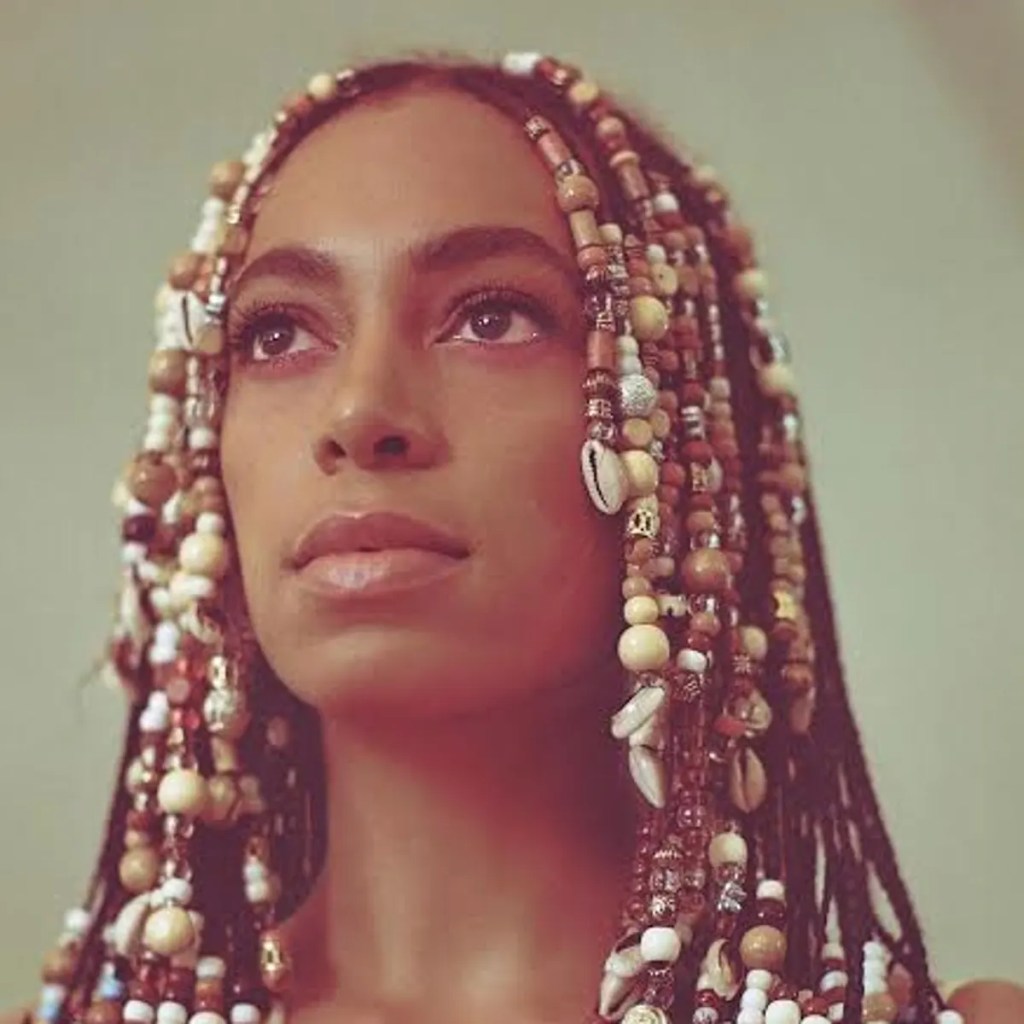
“A Seat at the Table by Solange”
This album changed my life. I don’t think there is a better expression of feminism in music than Solange inserting herself into the music industry without compromising her personhood. She’s not trying to appeal to anyone but herself in her music, being completely authentic and maintaining a message of self-love and acceptance and is “able to show that we are truly the chosen ones” (Closing: The Chosen Ones). “Cranes in the Sky” tackles the heaviness of the human experience and the vices we use to chase it away. Solange never shies away from using her music as an emotional expression which is why she resonates so well with listeners.
An outstanding lyric, “Well it’s like cranes in the sky, sometimes I don’t wanna feel those metal clouds”, “Cranes in the Sky”, A Seat at the Table.
MOVIES
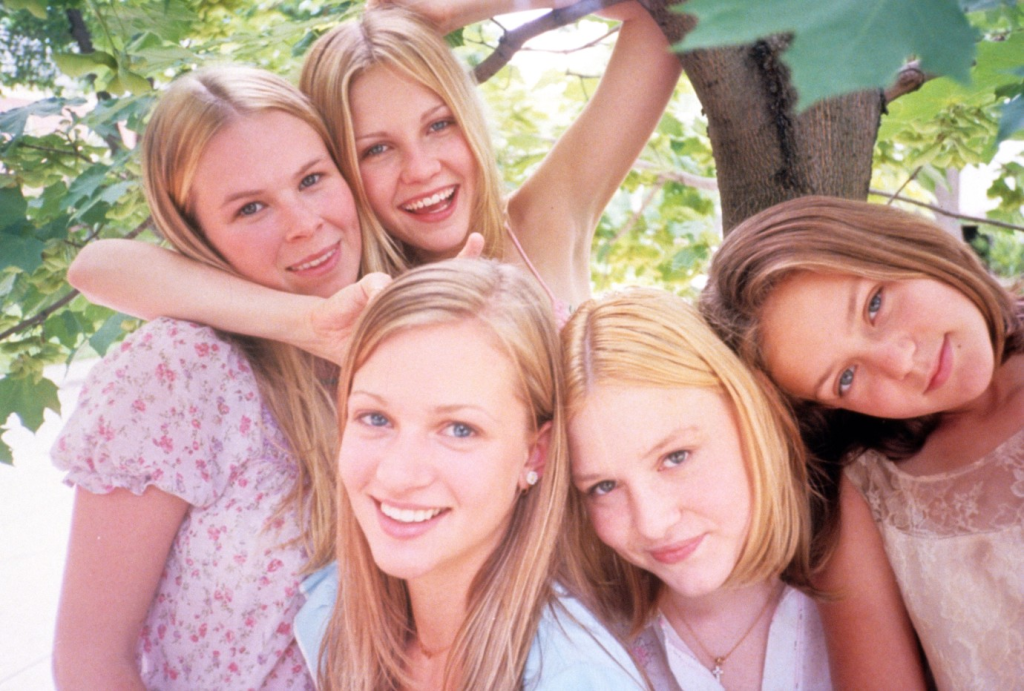
“The Virgin Suicides dir. Sofia Coppola”
The Virgin Suicides explores the transition away from girlhood, as Coppola does in many of her films. In this film four sisters face the emotional hardships that arise when the youngest sister of their family takes her own life. While aesthetically light and breezy, with light colours adorned by the sisters all throughout, its messages are heavy. Watching this movie made me think more about my childhood, and how traumatizing growing up really was. The abandonment by their parents, lovers, and friends leave these sisters with growing pains that drive them to the movies title Coppola uses the young boys across the street to demonstrate the ease with which boys can become men. This film is a prime example of the power of women telling their stories. This is not a universal experience for teenage girls, but every woman can relate to the feelings of these girls as they try to navigate life.

“Mamma Roma dir. Pierpaolo Pasolini”
While I hope to introduce more women directed films into later editions of this column, Mamma Roma is a point in Italian cinema where women and class are depicted expertly together. Mamma Roma is an aging prostitute leaving her pimp and rekindling a relationship with her son. She reaches as far as she can for the middle class that is just beyond her reach. Although it isn’t explicitly feminist, Pasolini uses Anna Magnani to convey such a powerful message of the shackles of poverty and prostitution. Magnani is an acting masterclass in her depiction of sorrow and pain as she tries to navigate a life away from prostitution to give her son a better life. Although she is unsuccessful, I think she is somewhat of a martyr for the struggle of the working class.
 Intersections